Let's cut through the noise. You're not downloading dating apps to collect matches like Pokémon cards. You want to know which platform actually gets you from "hey" to meeting someone in person without wasting weeks of your life. The timeline from match to meetup varies wildly between Adult Friend Finder and Tinder, and understanding these differences can save you serious time and frustration.
| Site | Our Experience | Our Rating | Free Trial Link |
|---|---|---|---|
Best Hookup Site For Men  | Experience Highlights
| 9 | Try AFF For Free |
Best For Relationships  | Experience Highlights
| 9 | Try eHarmony |
2nd Best For Hookups  | Experience Highlights
| 8 | Try Passion |
Here's what you'll learn: the realistic timeline on each platform, what slows things down or speeds them up, and how to navigate the journey from first message to first date without getting stuck in message purgatory.
If you're tired of endless texting and want to meet people who are ready to actually hang out, Adult Friend Finder cuts the small talk and gets to the point faster.
The First 24 Hours: Setting Up and Getting Noticed
Getting Your Profile Live
Tinder:
Tinder gets you up and running fast. The download and basic setup take about 10 to 15 minutes, while selecting photos and writing your bio might take another 20 to 45 minutes, depending on how picky you are. If you choose to verify your profile, that adds another 2 to 5 minutes. In total, you're looking at 30 to 60 minutes from download to actually swiping on people.
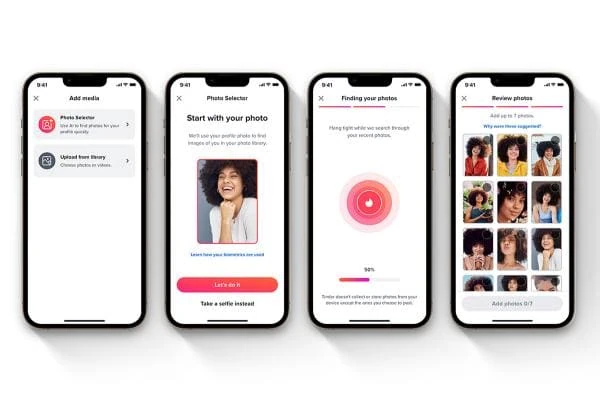
According to the Pew Research Center, about 30% of U.S. adults have used online dating platforms, with Tinder being among the most recognized. The interface is dead simple. Add a few photos, write a quick bio, and you're swiping within the hour.
Adult Friend Finder:
AFF takes longer upfront, but there's a reason for it. Account creation is quick at 5 to 10 minutes, but completing your profile properly takes 30 to 90 minutes if you want decent results. Here's the kicker: photo upload and approval can take 24 to 48 hours because they actually moderate content. Your total time to full activity is 1 to 2 days.
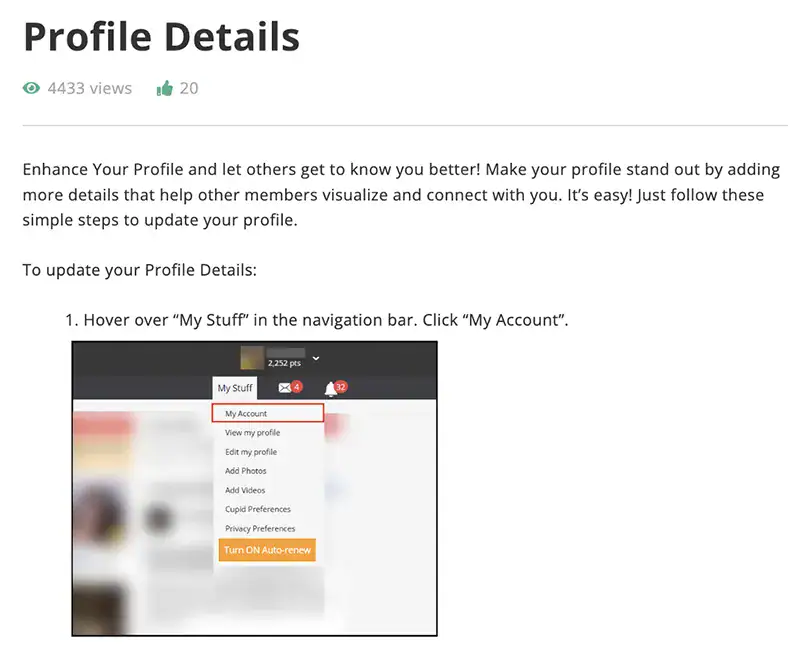
The platform wants detailed profiles, and photo moderation means you're not instantly visible. But this extra time filters out people who aren't serious about meeting up. You're investing more time upfront, but it pays off in quality connections later.
Your First Matches and Messages
Tinder Timeline
Your first few hours on Tinder can feel pretty good. Within the first 1 to 6 hours, you'll likely get your first matches if you're in a decent-sized city. Between hour 6 and 24, more matches trickle in based on your initial boost that Tinder gives new users. By day 2 to 3, your match rate typically drops as that "new user" boost fades and you're competing with everyone else.
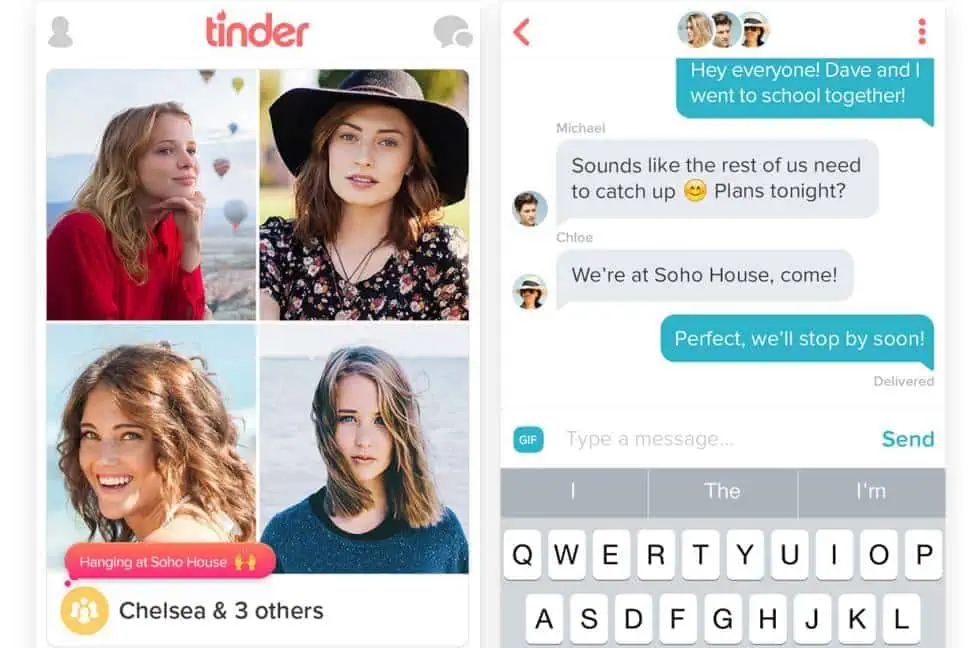
The challenge? Most Tinder matches don't message first, and many never respond even when you do. You might have 20 matches, but only 3 actual conversations are happening.
AFF Timeline
AFF works differently because of that approval process. During day 1 to 2, your profile is under review, and you have limited visibility. By day 2 to 3, your profile goes live, and initial messages start coming in. From day 3 to 7, activity picks up significantly as you appear in more searches and people discover your profile.
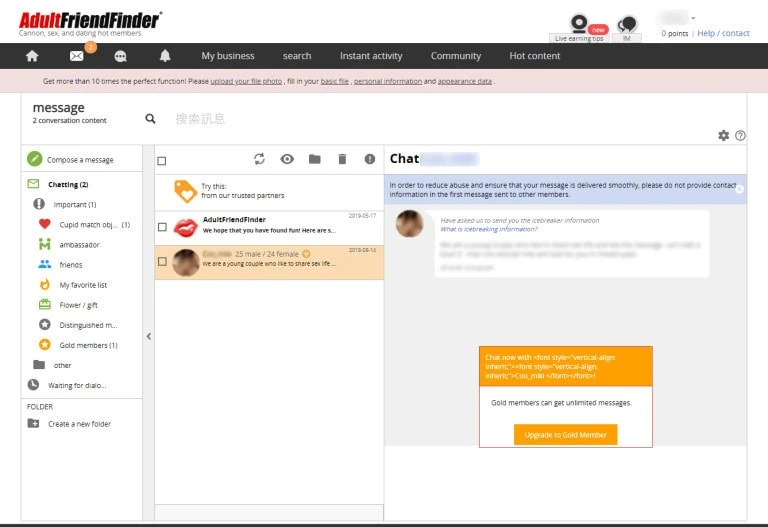
AFF users tend to message first more often because the platform's purpose is clear. People aren't there to boost their ego with match counts. They're there to connect with someone and make plans.
Week One: From Messages to Making Plans
The Conversation Phase Reality Check
Tinder's typical progression:
Tinder conversations usually follow a predictable pattern. Days 1 to 3 involve small talk, getting to know each other, and building some basic rapport. By days 4 to 7, conversations either die out completely or start hinting at the possibility of meeting up. If you make it to week 2 and you're still talking, you might finally suggest a meeting. By week 3 or later, you're actually coordinating schedules and meeting, assuming neither of you has lost interest by then. As The Atlantic reports on modern dating, the gap between digital connection and in-person meeting remains a persistent challenge.

AFF's faster track:
AFF moves at a completely different pace. Within days 1 to 2, you're having direct conversations about what you're looking for without all the dancing around. By days 3 to 5, you're discussing logistics and availability instead of still figuring out if you have anything in common. By days 5 to 7, meetings typically happen. You're not spending three weeks wondering if this person actually wants to meet or is just bored and looking for someone to text. People on AFF generally skip the "what's your favorite color" phase and get to the point about meeting up. It's refreshing if you're tired of small talk that goes nowhere.
What Slows Things Down on Each Platform
Tinder Speed Bumps
Tinder has some built-in friction points that slow down the timeline to meeting. Validation seeking is huge. Many users swipe for ego boosts, not dates. They want to see how many matches they can get, not actually meet anyone. Then there's pen pal syndrome, where people seem perfectly content to chat endlessly without ever suggesting a meetup.
Schedule mismatches also play a role. Because Tinder has such a casual approach, people aren't prioritizing meetups the way they might with other commitments. And there's this uncertainty about intentions where nobody wants to seem "too forward" about meeting, so everyone waits for the other person to suggest it first.
AFF Speed Bumps
AFF has its own set of delays, though they're different in nature. Profile approval delays mean you're waiting 24 to 48 hours before you're fully visible to other users. Distance filters matter more because users are more selective about travel distance for casual meetups. Nobody wants to drive an hour each way for a first meeting.
Verification preferences also come into play. Some users only engage with verified profiles, which means if you haven't verified yet, you're limiting your pool. And peak activity times matter more on AFF. Response rates vary significantly based on time of day, so sending messages at 3 am might not get you very far.
The Two Week Mark: Who's Actually Meeting Up?
Tinder Reality at 14 Days
By week two on Tinder, here's the typical situation. You've probably matched with anywhere from 20 to 50+ people, though this varies wildly by location and how good your profile is. Out of all those matches, you've had real conversations with maybe 5 to 10 of them. The rest either never responded or fizzled out after a few exchanges.
You've suggested meeting with 2 to 3 people who seemed genuinely interested. But here's the reality check: you've actually set concrete plans with 0 to 1 person, if you're lucky. The platform's design encourages endless swiping and chatting. According to dating app research, most conversations never lead to in-person meetings.

AFF Reality at 14 Days
By week two on AFF, the picture looks quite different. You've connected with 10 to 30 people, which is lower volume but higher intent. Out of those connections, you've had direct conversations with 5 to 15 of them, and these conversations actually go somewhere.
You've discussed meeting with 3 to 7 people because the platform doesn't require three weeks of small talk first. And here's the big difference: you've actually met 1 to 3 people in person already. The difference isn't just the numbers. It's that AFF users generally join the platform with the specific goal of meeting up, not just collecting matches or passing the time.
Moving from Online to Offline: Platform Differences
How Tinder Users Approach Meetups
The Slow Build Strategy
Tinder follows what you might call the slow build strategy. Week 1 is spent getting to know each other through messages, establishing that you're both real people and have some basic compatibility. Week 2 involves moving to phone number or Snapchat if things are going well. By week 3, you're finally suggesting a first date. Week 4 is when you actually meet, assuming you both follow through and nobody gets cold feet or finds someone else in the meantime.
Most Tinder users prefer this gradual approach. The platform attracts people looking for everything from serious relationships to hookups, so there's social pressure to not seem "too eager." Nobody wants to be the person who suggests meeting too soon and gets labeled as desperate or pushy.
Common Tinder Date Logistics
The typical first Tinder date is pretty predictable: coffee, drinks, or a casual meal somewhere public. From the time someone suggests meeting to the actual date happening, you're looking at 3 to 7 days on average. The success rate is pretty discouraging. Only about 25% of conversations that actually discuss meeting result in a date that happens. The ghosting factor is high. Plans fall through frequently, often without explanation.

How AFF Users Approach Meetups
The Direct Strategy
AFF operates on a completely different timeline. Days 1 to 3 are spent on initial conversations and establishing intent. You're finding out quickly what each person is looking for and whether it matches up. Days 3 to 5 involve sharing additional photos and discussing preferences in more detail. By days 5 to 7, you're exchanging contact info and setting up an actual meetup. By week 2, you've often already met, or you're meeting very soon.
AFF users typically skip the prolonged getting-to-know-you phase because everyone understands why they're there. There's no need to pretend you're not interested in meeting someone when that's literally the point of the platform.
Common AFF Meetup Logistics
The typical first AFF meetup is usually drinks at a bar, casual coffee, or sometimes more direct, depending on what you've discussed. From suggestion to meetup, you're looking at 1 to 3 days on average, not a full week. The success rate is notably higher at about 60% of serious conversations leading to a meeting. The ghosting factor is lower than Tinder, though it still happens because this is online dating after all.
Quick Comparison: Timeline to IRL Meeting
| Platform | Avg. Time to First Message | Avg. Time to Suggest Meeting | Avg. Time to Actually Meet | Typical Conversation Style |
|---|---|---|---|---|
| Tinder | 1 to 3 days | 7 to 14 days | 14 to 28 days | Slow build, casual chat |
| Adult Friend Finder | 1 to 2 days | 3 to 5 days | 5 to 10 days | Direct, goal-oriented |
Caption: AFF vs Tinder comparison showing the realistic timeline differences from match to meeting someone IRL
Tinder: Pros and Cons
Pros:
- Huge user base in most cities
- Quick and easy to set up
- Low-pressure environment for starting conversations
- Good for exploring different connection types
- Well-designed interface
Cons:
- Many users are not serious about meeting
- Conversations drag on without progressing
- High ghosting rate when suggesting meetups
- Premium features needed for decent visibility
- Match quality drops significantly after the initial boost
Adult Friend Finder: Pros and Cons
Pros:
- Users are upfront about wanting to meet
- Faster timeline from chat to meetup
- Less time wasted on endless small talk
- More direct communication style
- Search features help find compatible people
Cons:
- Longer initial setup and approval time
- Smaller user base than Tinder in some areas
- More explicit content (not for everyone)
- Premium membership is almost necessary for full functionality
- Some fake profiles still exist despite moderation
What Actually Speeds Up the Timeline
Universal Time-Savers That Work on Both Platforms
1. Be Clear About Your Intent Early
Nobody respects mind games. Within the first few messages, make it clear you're interested in meeting people, not becoming pen pals. You don't need to be aggressive about it, but being honest about what you're looking for saves everyone time. Something simple like "I'm on here to actually meet people, not just chat forever. If we click, I'd love to grab coffee sometime this week" works perfectly.

2. Suggest Specific Plans
Vague suggestions like "we should hang out sometime" rarely materialize into actual dates. Give concrete options that make it easy for the other person to say yes or suggest an alternative. Instead of leaving things open-ended, try asking "Are you free Thursday or Saturday evening?" or "There's a great coffee shop on Main Street. Want to meet there around 3 pm?" Specific plans turn into actual meetups.
3. Keep the Pre-Meeting Chat Short
You don't need life stories before meeting for coffee. Save the deep conversations for in-person, where chemistry actually matters. The optimal pre-meeting chat involves exchanging 10 to 20 messages to establish basic compatibility, sharing additional photos if needed, confirming logistics and meetup details, then stopping the endless texting and actually meeting. Too much chat before meeting builds up unrealistic expectations and gives you more time to talk yourselves out of it.
4. Have a Go-To First Meetup Spot
Decision fatigue kills plans faster than anything. Know a few reliable spots for different vibes, so you're not spending three days trying to decide where to meet. Have a coffee shop for daytime, low-pressure meetups. Know a casual bar for evening drinks. Pick a public park if you're both outdoor types. Have a popular restaurant option for dinner dates. When you suggest a meeting and can immediately name a good spot, it's much easier to lock in plans.
Platform-Specific Speed Strategies
Tinder Fast-Track Methods
On Tinder, you need to work a bit harder to speed things up because the platform culture encourages slow building. Use your bio to filter by mentioning you prefer meeting in person to endless texting. This sets expectations from the start. Ask engaging questions that go beyond "hey" to start real conversations that might actually lead somewhere.
Suggest voice or video calls before meeting. This filters out catfishes and people not serious about meeting while also building more comfort before the first date. Set a personal message limit where, if you've had a good conversation after 15 to 20 messages, you suggest a meeting. Don't let things drag on indefinitely.
AFF Fast-Track Methods
AFF rewards different strategies. Complete your profile thoroughly because detailed profiles get more serious responses from people who are actually reading them. Get verified as soon as possible because verified profiles are trusted more and get faster responses from quality users.
Use search filters aggressively to find people actually looking to meet soon rather than just browsing. Be direct in your first message by stating what you're looking for and asking about their availability. The platform culture supports directness, so don't be shy about it.
The Geography Factor: Location Changes Everything
Big City Timeline (Population 500K+)
In big cities, Tinder gives you more matches but also more competition. You'll get faster initial matching within the first 1 to 24 hours, but a longer time to the actual meetup because everyone has options. Your average meetup time ends up being 14 to 21 days because people are juggling multiple conversations and dates.

AFF in big cities means a larger active user base and more options for quick meetups. Distance becomes a bigger factor, though, with traffic and neighborhoods affecting whether people want to travel to meet you. Your average meetup time is 5 to 10 days, significantly faster than Tinder despite the geography challenges.
Mid-Sized City Timeline (Population 100K to 500K)
Tinder in mid-sized cities gives you a decent match rate initially, though you'll start recognizing the same faces repeatedly after a few weeks. Your meetup timeline is typically 10 to 18 days, falling between big city and small town experiences.
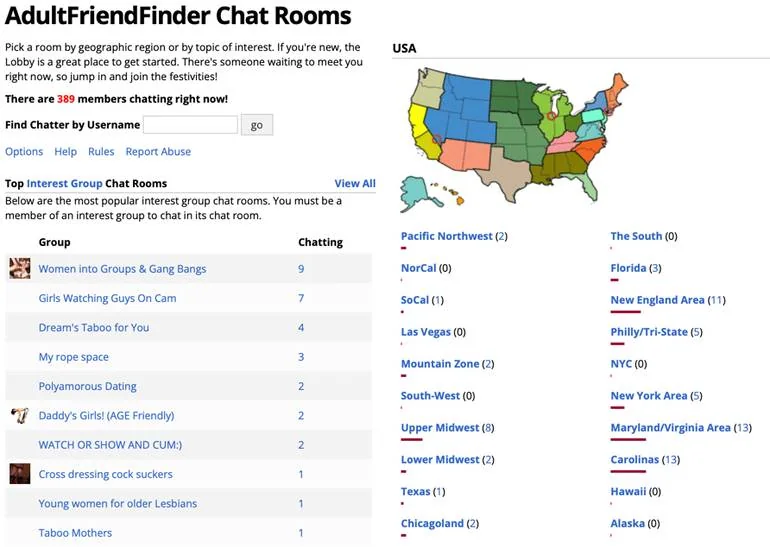
AFF in mid-sized cities means a smaller but more committed user base. You'll find a higher percentage of serious users because the platform is more intentional about who joins. Your meetup timeline averages 7 to 12 days, still faster than Tinder but slightly longer than big cities due to fewer total users.
Small Town Reality (Population Under 100K)
Both platforms struggle in smaller markets. According to Statista's research on online dating, rural areas have significantly lower adoption rates of dating apps, which makes sense when you think about it.
Tinder in small towns means limited matches where you often see the same profiles repeatedly. Social dynamics complicate meetups because everyone knows everyone or is separated by one degree. Your meetup timeline is 14+ days, assuming you find matches at all.
AFF in small towns usually means a very limited user base. You may need to expand your search radius significantly, potentially to the nearest larger town. Your meetup timeline is 14+ days if enough local users even exist. Small-town dating apps are tough regardless of which one you choose.
Red Flags That Delay or Prevent Meetups
Warning Signs Someone Won't Meet IRL
On Both Platforms
Some patterns show up on both Tinder and AFF that indicate someone isn't actually interested in meeting. They're always busy but never suggest alternative times when you propose a meeting. They keep changing the subject whenever you mention getting together in person. They want to "get to know you better" indefinitely without any real progression toward meeting.
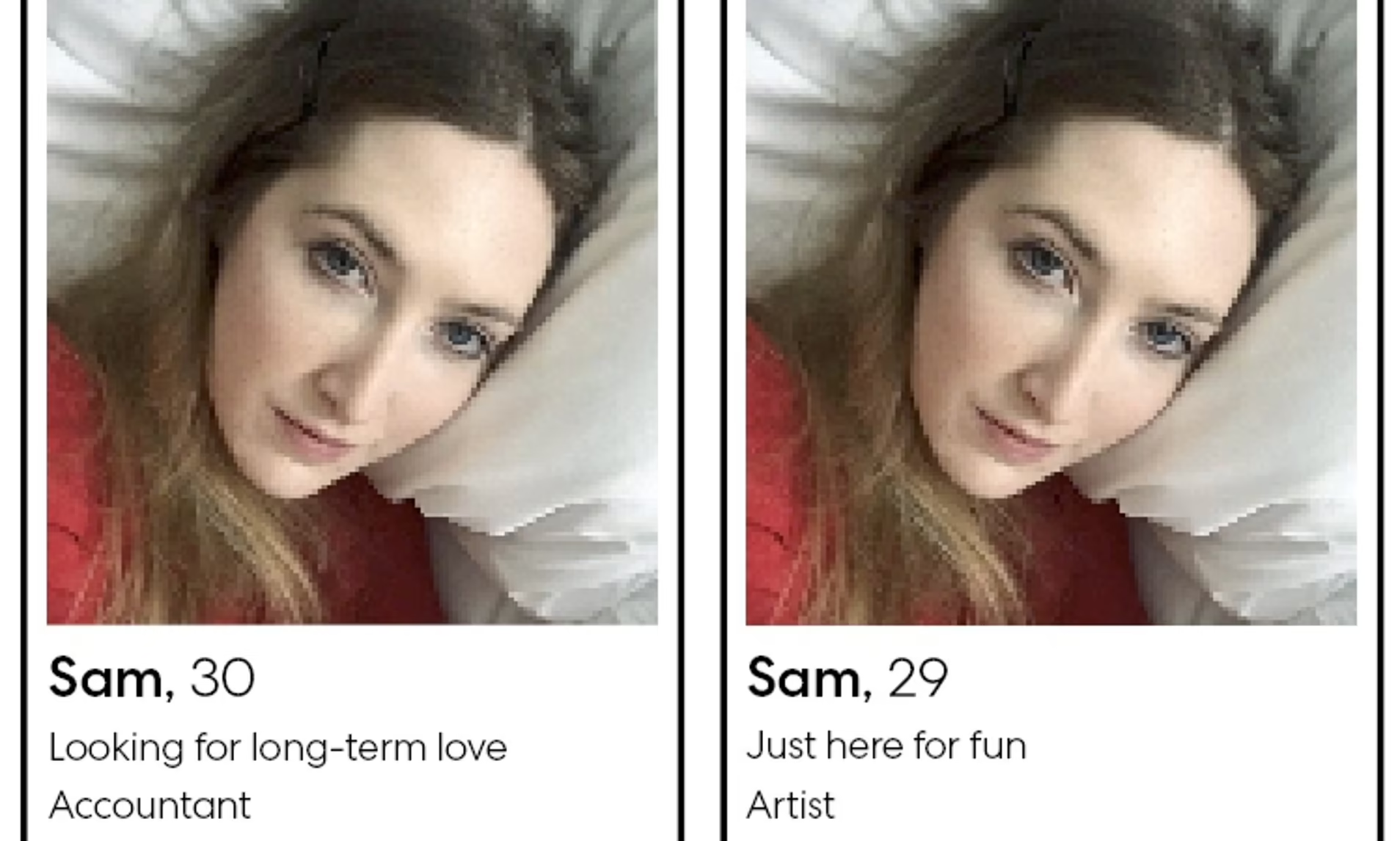
Example of a fake dating profile
Watch out for anyone asking for money, gift cards, or financial help. That's always a scam. If their photos seem too professional or model-quality, you're probably dealing with a fake profile or catfish. Anyone who refuses video chat before meeting is also suspicious, especially in 2025 when video calls are completely normal.
Platform-Specific Red Flags
On Tinder specifically, be wary of profiles that say "not here much, find me on Instagram/Snapchat" because they're usually just trying to build social media followers. If someone only responds once every few days despite being active on the app, they're not that interested. Being extremely vague about their life and schedule usually means they're talking to many people or aren't serious.
On AFF, watch for profiles created very recently, like the same day you're talking. They're often scams or fakes. If someone is extremely forward within the first message, like aggressively sexual, before you've established any rapport, it's potentially a scam. Generic messages that could be sent to anyone show they're mass messaging rather than actually interested in you specifically.
How to Handle Delays and Flakes
When Someone Cancels
If someone cancels plans, you have two reasonable options. Give them one more chance by responding with something like "No worries, things come up. Are you free on [specific date] instead?" This shows you're understanding, but also that you expect them to follow through next time.
Move on if it's a pattern. After two cancellations without them suggesting alternatives, invest your time elsewhere. They're showing you through their actions that meeting you isn't a priority.
When Conversation Stalls
After 3 to 4 days of no response, send one follow-up message. Something casual like "Hey, still interested in grabbing that coffee?" gives them an easy way to re-engage. If you still get no response, unmatch and move forward. Your time is valuable.
When they're responsive but won't commit to plans, be direct about it. Try saying "I'm looking to actually meet people, not just chat. If you're interested in grabbing coffee, let me know when works for you." This forces them to either commit or reveal they were never serious about meeting.
The First Month: Setting Realistic Expectations
What Success Actually Looks Like
Tinder Month One Results
After one month on Tinder, here's what realistic outcomes look like. You'll probably have 50 to 150 matches, though this varies enormously by location and profile quality. Out of all those matches, expect 10 to 30 actual conversations where both people are engaging. You'll suggest meetups to 2 to 5 people who seem genuinely interested. And realistically, you'll have 1 to 2 actual in-person dates.
Some people have better results. Some have worse. Online dating success rates vary wildly based on dozens of factors, including location, age, photos, and messaging strategy. Don't get discouraged if your first month is slow. It takes time to figure out what works.

AFF Month One Results
After one month on AFF, realistic outcomes look different. You'll have 20 to 60 meaningful connections, which is lower volume but higher intent. Out of those, expect 10 to 25 direct conversations that actually progress beyond initial messages. You'll discuss meeting with 5 to 10 people because the barrier to suggesting meetups is lower. And realistically, you'll have 2 to 4 actual meetups.
The numbers are lower than Tinder, but the conversion rate from match to meetup is significantly higher. You're spending less time on dead-end conversations and more time actually meeting people.
Adjusting Your Approach Based on Results
If You're Not Getting Matches
On Tinder, not getting matches usually means profile issues. Update your photos and get honest feedback from friends about which ones work. Rewrite your bio to be more specific and interesting rather than generic. Try swiping at different times of day when more active users are online. Consider Tinder Platinum for better visibility if you're in a competitive market.
On AFF, the fix involves more depth. Complete your entire profile with details because empty profiles get ignored. Add more variety to your photos showing different situations and angles. Get your profile verified to build trust. Be more active by leaving comments and forum posts to increase your visibility.
If Matches Don't Respond
This problem spans both platforms. Improve your opening messages by avoiding generic "hey" or "what's up" that gets lost in the noise. Ask questions about something specific in their profile to show you actually looked. Reference something specific they mentioned to start a real conversation. Keep messages short and engaging rather than writing paragraphs that feel like work to respond to.
If Conversations Don't Lead to Meetups
If your conversations aren't converting to dates, take action. Suggest meeting sooner, ideally after 10 to 15 messages, once you've established basic compatibility. Be more specific with plans by offering concrete times and places. Reduce your pre-meeting expectations because building someone up too much in your head leads to disappointment. Focus on people who match your energy level and enthusiasm for actually meeting.
Frequently Asked Questions
How long should I chat before suggesting we meet up?
On Tinder, wait until you've exchanged 15 to 25 messages over a few days so there's basic rapport. On Adult Friend Finder, you can suggest a meeting after just 8 to 12 messages since everyone's there with similar intentions. The key is making sure you've established you're both real people with compatible interests, not having life story conversations that belong on the actual date.
What's the best way to suggest a meeting without seeming pushy?
Keep it casual and give options. Try something like "I'd rather continue this conversation over coffee than keep texting. Are you free Thursday or Saturday afternoon?" This shows you're interested without pressure, and offering specific times makes it easier for them to commit. On AFF, being direct about wanting to meet is actually expected and respected, while on Tinder, you might phrase it more casually.
Why do so many people ghost after agreeing to meet?
Dating app fatigue is real. Many people are talking to multiple matches simultaneously, get cold feet about meeting strangers, or were never serious about meeting in the first place. On Tinder, especially, some users are there for validation rather than actual dates. AFF has less ghosting because the user intent is clearer from the start, but it still happens. Confirm plans the day before to reduce no-shows.
Is it normal to video chat before meeting in person?
It's becoming more common and actually recommended. A quick 5 to 10-minute video call helps verify you're both who you claim to be and can prevent wasted time meeting someone you have zero chemistry with. Most people appreciate this extra verification step, especially on platforms like AFF, where meeting intentions are more direct. If someone refuses to video chat, that's often a red flag.
How can I tell if someone is actually interested in meeting or just wasting my time?
Watch their behavior. Interested people respond relatively quickly, ask questions back, and engage with specific plans when you suggest them. Time-wasters give vague responses, constantly reschedule without suggesting alternatives, or keep conversations going indefinitely without progression. If someone's interested, they'll make the meeting happen. If you're doing all the work to keep the conversation going, move on to someone who matches your energy.
The Bottom Line: Which Platform Gets You There Faster?
Here's what it comes down to. If you want to meet someone in person within a week or two and you're comfortable being direct about it, Adult Friend Finder cuts through the games and gets you there faster. The average timeline from first message to actually meeting is 5 to 10 days. People on the platform understand what they're there for, and that shared understanding eliminates a lot of the awkward dance around suggesting meetups.
Your success on either platform depends less on which one you choose and more on how you use it. Be clear about your intentions from the start. Suggest concrete plans instead of endless chatting that never leads anywhere. Don't be afraid to move on when someone's not matching your energy or seriousness about actually meeting. The right match is someone who makes meeting up feel easy, not like pulling teeth.
Ready to skip the small talk and meet people who are actually down to hang out? Try Adult Friend Finder and see the difference when everyone's on the same page about meeting up.
Sources:
https://www.pewresearch.org/internet/2023/02/02/from-looking-for-love-to-swiping-the-field-online-dating-in-the-u-s/
https://www.statista.com/topics/2158/online-dating/
https://www.sciencedirect.com/science/article/pii/S2451958824002124
When you purchase through links on our site, we may earn an affiliate commission. Here’s how it works.