
You've probably noticed that dating apps feel completely different depending on where you live. What works in Manhattan might fall flat in Montana, and the app your buddy swears by in his suburban neighborhood could be a ghost town in yours.
| Site | Our Experience | Our Rating | Free Trial Link |
|---|---|---|---|
Best Hookup Site For Men  | Experience Highlights
| 9 | Try AFF For Free |
Best For Relationships  | Experience Highlights
| 9 | Try eHarmony |
2nd Best For Hookups  | Experience Highlights
| 8 | Try Passion |
The truth is, your location changes everything about which dating platform will actually work for you. Population density, local dating culture, and even regional attitudes toward online dating can make one app thrive while another collects dust. This guide breaks down how AFF vs Tinder perform across different city sizes and locations, so you can stop wasting time on the wrong platform and start connecting with people who are actually nearby and interested.
How Population Density Changes Your Dating App Success
The number of people around you fundamentally alters how dating apps function. In cities with over 500,000 people, Tinder's swipe-based model thrives because there's a constant stream of new profiles. You can open the app multiple times daily and see fresh faces. According to the Pew Research Center, roughly 30% of U.S. adults have used online dating, but usage rates vary significantly by geographic area and population concentration.
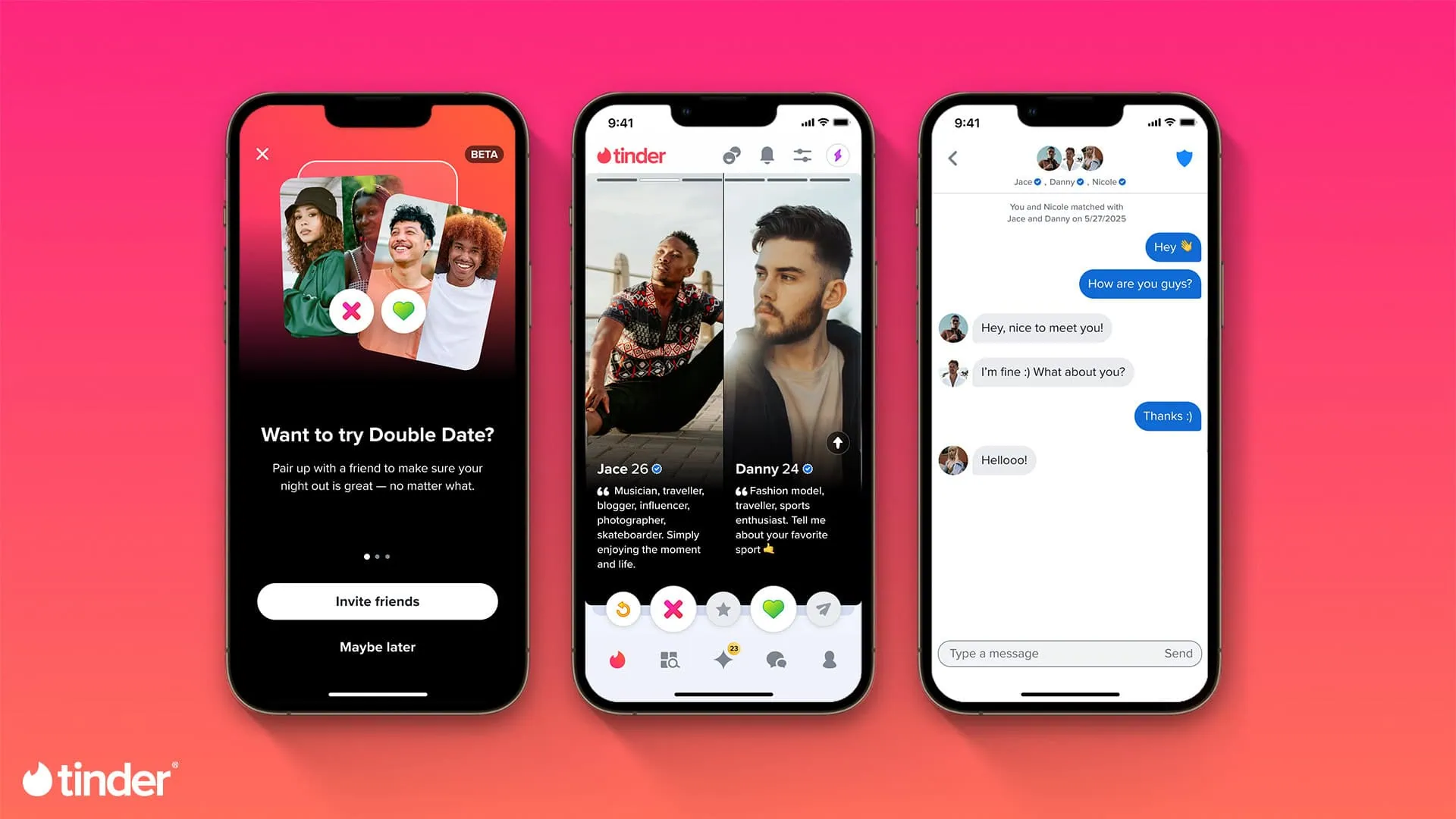
In smaller cities and towns under 50,000 people, that model breaks down quickly. You might exhaust your potential matches within a week, and then you're stuck waiting for new people to join or pass through. This is where Adult Friend Finder's browse-based system and wider geographic reach become valuable. Instead of being limited to people within a strict radius who also swiped right on you, you can actively search for compatible people within a larger area.
Urban Areas: 500,000+ Population
Large cities give Tinder a massive advantage. The sheer volume of users means the algorithm has plenty of data to work with, and you're never short on options. The app's design for quick judgments works well when there are thousands of potential matches in your area.
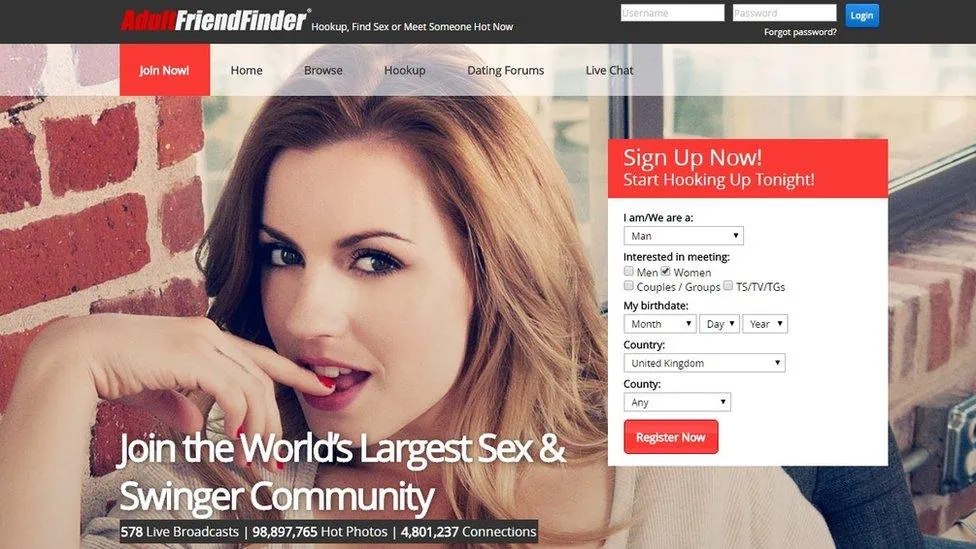
However, urban areas also create competition fatigue. Everyone has multiple options, response rates can be lower, and actually standing out becomes harder. This is where AFF can offer relief if you're tired of playing the numbers game. The platform attracts people who are more direct about what they're looking for, which can cut through the noise of endless casual browsing.
Suburban Areas: 50,000 to 500,000 Population
Suburbs create an interesting middle ground. Tinder still has a solid user base, but you'll start noticing repeated profiles and a slower turnover of new matches. The platform remains viable, especially if you're willing to expand your search radius to include nearby cities.
AFF performs surprisingly well in suburban markets. Many users are willing to travel 30 to 45 minutes for the right connection, and the platform's search features let you cast a wider net without the artificial limitations of swipe-based matching. You also encounter less competition compared to urban markets, which can actually improve your response rates.
Rural Areas: Under 50,000 Population
Small towns and rural areas expose the biggest weakness in Tinder's model. Limited local users mean you'll quickly run through available profiles. Many rural Tinder users report seeing the same dozen people repeatedly, with weeks between new matches.
Adult Friend Finder handles rural markets more effectively for several reasons. The platform has been around since 1996 and has built a user base that spans smaller communities. The ability to search by distance rather than being limited by a swipe queue means you can connect with people in neighboring towns. According to Statista, the online dating market continues to grow, but platform effectiveness varies dramatically based on user density in specific regions.
Regional Dating Culture and Platform Performance
Geography isn't just about numbers. Different regions have distinct attitudes toward dating, hookup culture, and online platforms. These cultural differences make certain apps more or less acceptable in various parts of the country.
The Bible Belt and Conservative Areas
In more conservative regions, Tinder's mainstream appeal and lighter branding work in its favor. The app doesn't carry the explicit reputation that AFF does, making it more socially acceptable to mention. Many people in these areas use Tinder for traditional dating, with the possibility of something more developing naturally.

That said, AFF serves a specific purpose even in conservative areas. People looking for direct, adult-focused connections often prefer a platform where expectations are clear from the start. The trade-off is a smaller local user base, but potentially higher intent matching.
Coastal and Liberal Urban Centers
Cities like San Francisco, New York, Seattle, and Los Angeles show different patterns. Tinder dominates in these markets due to population density and social acceptance of online dating. The app's integration with social norms makes it nearly universal among single people.
AFF competes better in these markets than you might expect. The concentration of users interested in non-traditional arrangements creates active communities. Urban liberal areas also have users who appreciate the platform's directness and lack of pretense about intentions.
College Towns and Military Bases
These unique environments create interesting dynamics. College towns typically favor Tinder because of the young demographic and the app's integration into social life. The transient nature of student populations keeps the user pool refreshed.

Military bases and surrounding communities show different patterns. AFF tends to perform well because service members and locals often look for straightforward connections without long-term expectations due to deployment schedules. The platform's direct approach aligns better with the practical realities of military life.
Urban vs Suburban vs Rural: The Real Performance Breakdown
Let's get specific about what actually works where. These distinctions matter more than most people realize when choosing a platform.
Urban Advantages and Challenges
Cities give you options, but they also create paradox of choice problems. On Tinder, you might match with dozens of people but struggle to convert matches into actual dates because everyone is juggling multiple conversations. The New York Times reported that urban dating app users often experience matching fatigue despite high match volumes.

AFF in cities works differently. You're dealing with a smaller percentage of the population, but those users tend to be more decisive. Urban AFF users often specify exactly what they want, which can lead to faster connections if your goals align.
The commute factor matters too. In sprawling cities like Los Angeles or Houston, a 20-mile radius on Tinder might represent an hour drive in traffic, making meetups challenging. AFF's search tools let you filter by specific neighborhoods or proximity to public transit, which can be more practical than distance-based matching.
Suburban Sweet Spots
Suburbs between 100,000 and 300,000 people often provide the best balance for both platforms. Tinder has enough users to remain useful without the overwhelming competition of major cities. You can actually have meaningful conversations instead of competing with 50 other matches.
AFF benefits from suburban users who are often more established, with their own places and predictable schedules. Response rates can be higher because there's less noise in the system. The challenge is that suburban areas tend toward more traditional relationship seeking, so the AFF user base skews toward specific niches rather than broad appeal.
Making Rural Markets Work
Small towns require different strategies entirely. Tinder in rural areas needs expanded radius settings, often 50 miles or more. You'll spend more time on the road for dates, and your match pool includes people from multiple small communities.
Adult Friend Finder's travel and visitor features become valuable in rural settings. You can connect with people planning to visit your area, or coordinate meetups when you're traveling to larger nearby cities. The platform's forums and groups also help rural users find communities beyond immediate geographic matching.
Quick Comparison Table
Caption: This AFF vs Tinder comparison shows how location and city size influence which platform delivers better results based on your specific geographic situation.
| Site or App | Best For | Key Features | Starting Price | Free Version | Notable Downside |
|---|---|---|---|---|---|
| Tinder | Urban areas 500K+ population, ages 18-35, mainstream dating | Swipe matching, location-based, social proof through mutual friends, and quick profile creation | Free (Gold at $14.99/month, Platinum at $19.99/month) | Yes, with daily swipe limits | Quickly exhausts the user pool in smaller markets, with heavy competition in cities |
| Adult Friend Finder | Suburban and rural areas, ages 25-55, direct intentions | Advanced search filters, distance customization, travel features, forums, and groups | Gold at $19.95/month, basic features free | Yes, very limited features | More explicit reputation, smaller user base in conservative areas |
Tinder Pros and Cons
Pros:
- Massive user base in cities over 100,000 population
- Socially acceptable to discuss openly
- Quick to set up and start using
- Works well for ages 18 to 35
- Regular new users in populated areas
Cons:
- Limited functionality in rural markets
- Swipe fatigue in competitive urban markets
- Distance settings can be restrictive
- Quick profile exhaustion in small towns
- High competition for matches in cities
Adult Friend Finder Pros and Cons
Pros:
- Better rural and suburban market penetration
- Advanced geographic search capabilities
- Travel and visitor features for mobility
- Direct intention matching reduces wasted time
- Works well across wider age ranges
Cons:
- Smaller total user base than Tinder
- More explicit branding limits mainstream appeal
- Fewer daily active users in some regions
- Paid membership needed for full functionality
- It can feel overwhelming with too many features
Distance Settings and Geographic Flexibility
How far you're willing to travel changes which platform makes sense. Tinder's distance slider goes up to 100 miles, but the app prioritizes showing you nearby matches first. If you're in a small town, you might need to set it to maximum range just to see a reasonable number of profiles.
Adult Friend Finder lets you search by specific mileage and sort results by distance, last login, or other criteria. This granular control matters more in spread-out areas where you want to see everyone within 50 miles, not just whoever the algorithm decides to show you first.
Commute Realities
Think about your actual willingness to drive. A 30-mile radius means something completely different in rural Kansas versus Los Angeles traffic. According to the U.S. Census Bureau, average American commute times vary significantly by region, which directly impacts practical dating ranges.
Tinder doesn't account for geography beyond straight-line distance. You might match with someone 15 miles away across a bay or through mountains, making the actual travel time much longer. AFF's ability to specify neighborhoods or use postal codes gives you more control over practical meetup logistics.
The Border Town Problem
If you live near state lines or between major metros, border zones create confusion on both platforms. Tinder might show you profiles from a neighboring state that you'd never realistically meet. AFF's search filters let you include or exclude specific regions, which helps if you want to avoid crossing state lines for personal or practical reasons.
Seasonal and Transient Population Effects
Tourist destinations, college towns, and seasonal work locations create unique challenges. The local dating pool changes dramatically based on the time of year.
Tourist and Vacation Areas
Beach towns, ski resorts, and vacation destinations see huge population swings. Tinder in these markets floods with visitors during peak season and becomes a ghost town in off-season. The app's focus on immediate proximity means you'll match with plenty of tourists who leave in a week.
Adult Friend Finder's travel features actually serve vacation areas well. You can filter for locals only, or specifically look for visitors if that's your preference. The platform lets people post upcoming travel plans, so you can connect with someone planning to visit your area rather than just whoever happens to be there today.
College Towns
Universities create two distinct dating markets in one location. During the academic year, Tinder dominates with student users. Summer months or breaks can make the app feel empty. Year-round residents often feel outnumbered by the student population.
AFF serves the permanent resident population better in college towns. The user base tends toward locals who live there beyond the university cycle, though it's significantly smaller than Tinder's student-heavy crowd.
Mobile Coverage and Rural Internet Access
Here's something most dating app guides ignore completely. Your platform choice might come down to which app actually functions reliably with your local internet infrastructure.
Tinder is lighter on data usage and loads quickly even on slower connections. The simplified swipe interface works well with spotty cell coverage. If you're in an area with limited bandwidth or rural internet, this matters more than you'd think.
Adult Friend Finder is more data-intensive with detailed profiles, photos, and videos. The platform assumes you have stable internet access. Rural users on satellite internet or limited mobile data plans sometimes struggle with AFF's heavier interface.
Regional Competition and Male-to-Female Ratios
Competition levels vary wildly by location, and this affects your actual success rate more than any other factor. According to various industry reports, most dating platforms have more male users than female users, but the ratio shifts based on location and platform.
Urban Male Saturation
Major cities often show ratios of 3-to-1 or higher male to female users on both platforms. This creates fierce competition where even good profiles struggle to stand out. Your location within a major metro becomes crucial. Living in a trendy neighborhood versus a business district affects your visibility and match quality.
Suburban Balance
Mid-sized suburban markets often show better gender ratios, sometimes approaching 2-to-1 or better. Competition decreases, and response rates typically improve. Both platforms become more viable because you're not drowning in a sea of other profiles.
Rural Challenges
Small-town markets swing unpredictably. Some rural areas show relatively balanced user bases on AFF because the platform attracts users across wider regions. Tinder in rural areas often skews heavily male because women have fewer local options and may not bother with the platform.
Platform Feature Differences That Matter by Location
Certain features become more or less important based on where you live. Understanding which tools you'll actually use helps you choose the right platform.
Tinder's Location-Specific Features
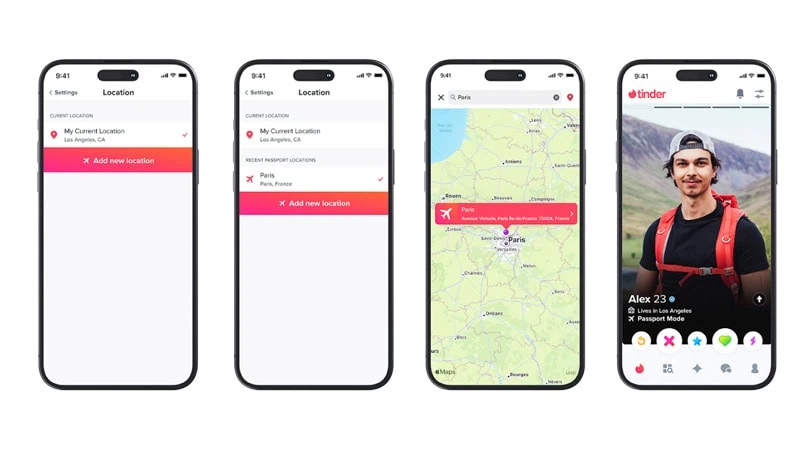
Tinder Passport lets you change your location to match in other cities before traveling. This matters if you travel frequently for work or vacation. The feature works best for urban-to-urban travel where user density remains high.
Tinder's integration with Instagram and Spotify helps in cities where social proof and cultural signaling matter. In smaller markets, these features matter less because people care more about basic compatibility than your music taste.
AFF's Geographic Tools
Adult Friend Finder's magazine and group features create location-based communities. Urban areas have active local groups and event postings. These community features work better in cities where enough users exist to sustain ongoing discussion.
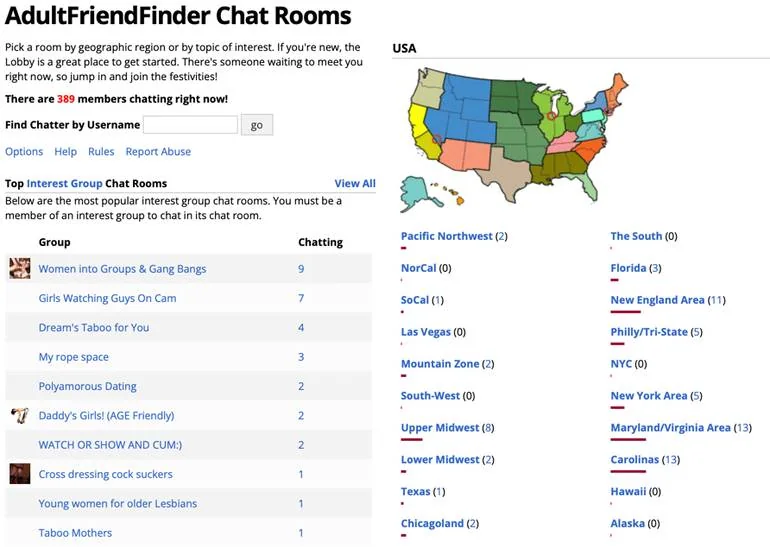
The platform's ability to save searches and get alerts for new matches in your criteria helps in smaller markets. You can set up a search for your specific area and get notified when someone new fits your parameters, rather than checking the app daily, hoping for someone new.
Making Your Choice Based on Location
Your decision comes down to an honest assessment of your market and what you're looking for. Here's how to think through it.
If you're in a city with over 200,000 people and between 18 and 35, Tinder probably makes sense as your primary platform. The user base will be there, and the interface works for high-volume matching. Consider AFF as a supplement if Tinder's casual browsing culture frustrates you.
If you're in a suburban area between 50,000 and 200,000 people, both platforms remain viable. Your age and specific intentions matter more than population in this range. Tinder for traditional dating progression, AFF for more direct connections.
If you're in a rural area under 50,000 people, seriously consider AFF as your primary option. Tinder will likely disappoint you with limited local matches and slow turnover. AFF's broader search capabilities and established user base in smaller markets give you better odds of consistent connections.
For frequent travelers, Tinder Passport and AFF's travel features both add value. The choice depends on your typical travel pattern. Frequent urban business travel favors Tinder, while road trips through smaller cities favor AFF.
Frequently Asked Questions
Does Tinder work in small towns under 10,000 people?
Tinder struggles significantly in towns with populations under 10,000. You'll typically see fewer than 50 local profiles, with new matches appearing only when someone moves to the area or visits temporarily. Most small-town Tinder users expand their radius to 50 or 100 miles, which means extensive driving for dates. The app remains usable if you're patient and willing to travel, but expect long gaps between matches. Weekend visitors and people passing through might briefly appear, but building a consistent dating pipeline proves difficult in very small towns.
How far should I set my distance on dating apps in the suburbs?
Suburban users typically find success with 15 to 30-mile radius settings, depending on your specific metro area and willingness to drive. Consider actual travel time rather than straight-line distance. A 20-mile radius in sprawling Houston means a different commitment than 20 miles in compact Philadelphia. Start at 15 miles and expand if you're not seeing enough matches. Most suburban daters report traveling 20 to 40 minutes for first dates, which translates to roughly 15 to 25 miles depending on traffic patterns in your area.
Is Adult Friend Finder better than Tinder for rural dating?
Adult Friend Finder generally outperforms Tinder in rural markets for several reasons. The platform's search-based model works better with limited user pools, letting you see everyone in a wide radius rather than relying on mutual swiping. AFF has deeper penetration in smaller communities built over decades of operation. The platform's travel features help rural users connect with people planning to visit their area. However, AFF still requires realistic expectations about rural dating. Even the better platform won't create matches where the population simply doesn't support active dating pools.
Do dating apps work differently in conservative versus liberal areas?
Regional culture significantly affects platform performance and user behavior. Conservative areas often show a stronger preference for Tinder over more explicit platforms due to social acceptability concerns. Users in conservative regions tend to move more slowly from match to meetup and express traditional relationship goals more frequently. Liberal urban areas show higher acceptance of direct communication about intentions and faster progression from matching to meeting. The platforms themselves don't change, but user expectations and communication styles shift notably based on regional dating culture and social norms.
Should I use both Tinder and AFF at the same time?
Using both platforms simultaneously can be effective if you have time to manage multiple conversations and a clear understanding of what you want from each. Many users maintain Tinder for casual browsing and social dating while keeping an AFF profile for more specific intentions. The dual approach works best in suburban areas where both platforms have viable user bases. In rural areas, splitting attention between two platforms with already limited matches rarely improves results. In major cities, juggling both becomes time-consuming but potentially worthwhile if you're actively dating and want maximum exposure across different user pools.
Conclusion
Your location determines dating app success more than most people realize. Population density, regional culture, and local user bases create completely different experiences on the same platform depending on where you live. Tinder dominates in dense urban markets with its massive user base and social integration, while Adult Friend Finder delivers better results in suburban and rural areas where search-based matching and wider geographic reach matter more than swipe volume.
The right choice comes down to honest assessment of your market size, your willingness to travel, and what you're actually looking for. Urban singles benefit from Tinder's volume but may want AFF to cut through competition. Suburban users can succeed with either platform based on specific goals. Rural daters should seriously consider AFF vs Tinder based on population realities rather than mainstream popularity.
Sources:
https://www.pewresearch.org/short-reads/2023/02/02/key-findings-about-online-dating-in-the-u-s/
https://www.statista.com/topics/2158/online-dating/
https://www.census.gov/newsroom/press-releases/2021/one-way-travel-time-to-work-rises.html
https://www.wikipedia.org/wiki/Online_dating_service
When you purchase through links on our site, we may earn an affiliate commission. Here’s how it works.